
PHASE 1 – SPINE & CORE CONDITIONS
Platinum Pilates Academy – Special Populations Manual
Scope Reminder for Instructors
Pilates instructors do not diagnose or treat medical conditions. Our role is to guide safe, intelligent movement based on what we know about the client’s condition, their medical clearance, and how they present in class. We manage load, choose appropriate exercises, and recognize when medical referral is necessary.
1 Lumbar Disc Herniation
Overview of the Condition
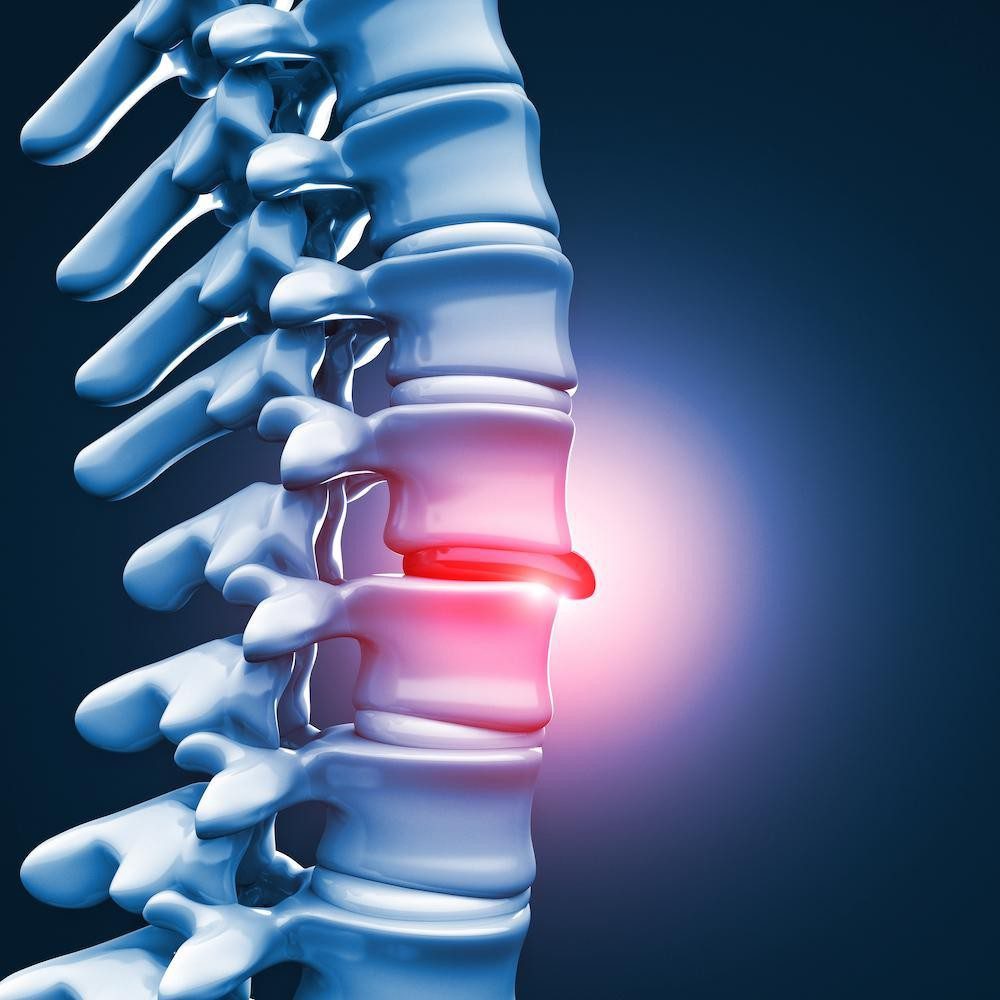
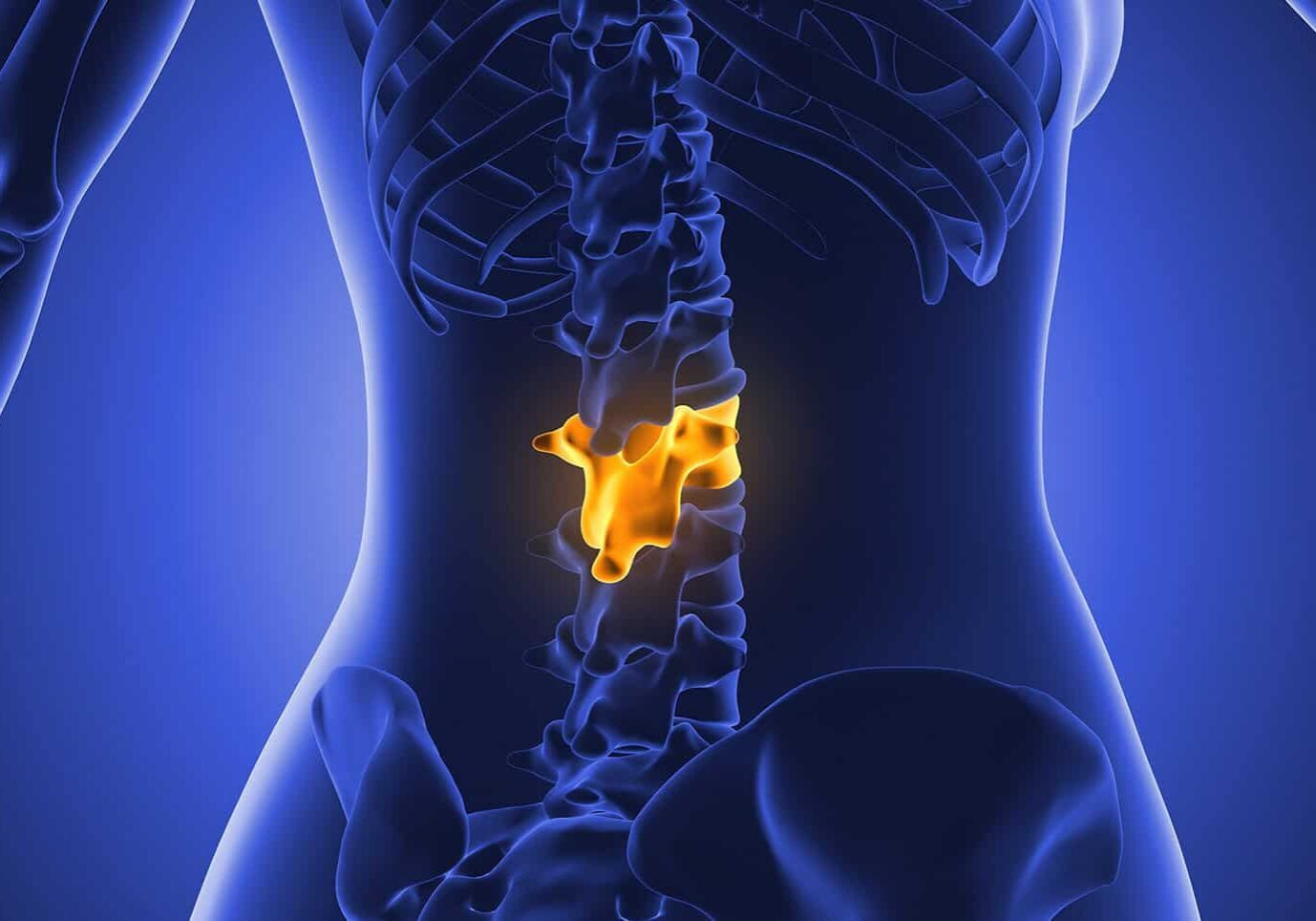
A lumbar disc herniation occurs when one of the intervertebral discs in the lower spine becomes damaged and the soft inner material of the disc pushes outward through the outer fibrous layer. The discs act as shock absorbers between the vertebrae, allowing the spine to move while also distributing load. When the outer layer of the disc weakens or tears, the inner material can bulge or protrude backward into the spinal canal where the nerves exit the spine. This most commonly occurs at the L4–L5 or L5–S1 levels because these segments bear the greatest amount of body weight and movement stress.
When the herniated disc presses on a nerve root, it can cause symptoms such as low back pain, radiating leg pain (often referred to as sciatica), numbness, tingling, or muscle weakness in the leg. Many clients also develop protective movement patterns where they limit spinal movement and begin gripping the lower back muscles. Over time this guarding reduces hip mobility and creates inefficient movement patterns, which can place additional stress on the spine during daily activities.
Why Pilates Helps
Pilates helps clients with lumbar disc herniation by improving spinal stability and teaching the body how to distribute movement more efficiently through the hips and trunk. One of the primary goals is strengthening the deep stabilizing muscles of the spine, including the transversus abdominis and multifidi, which help support the vertebrae and reduce unnecessary pressure on the injured disc. When these muscles work effectively, the spine is better supported during movement and daily tasks.
Pilates also retrains healthy movement patterns by encouraging controlled hip mobility and balanced muscular engagement. Many clients with disc injuries compensate by overusing the lower back instead of the hips, which increases stress on the injured segment. Through slow, controlled exercises and spring-based resistance on the apparatus, Pilates allows clients to build strength and coordination without excessive spinal compression, helping restore safer and more efficient movement.
Programming Focus
Focus on maintaining neutral spine and teaching strong hip movement so the lower back is not overloaded. Keep tempo slow and controlled, avoiding deep flexion or rotation under fatigue.
Recommended Pilates Exercises
Mat
- Pelvic Clock (small range)
- Bent Knee Fallout
- Heel Slides
- Side-Lying Leg Series
Reformer
- Footwork (neutral pelvis)
- Arms in Straps
- Hip Rolls (small range)
- Scooter (light springs)
Chair
- Seated Arm Press
- Seated Leg Pump
- Step Ups (controlled)
Cadillac / Tower
- Supine Arm Springs
- Tower Press
- Leg Springs (small range)
Exercises to Avoid (and Why)
- Deep spinal flexion – increases disc pressure and compression.
- Combined flexion and rotation – increases shear force through the segment.
- Heavy end-range loading – may irritate sensitive tissues.
Safer Alternatives
- Use smaller range of motion.
- Choose neutral spine strengthening instead of large articulation.
- Focus on maintaining neutral spine and teaching strong hip movement. Keep tempo slow and controlled.
Red Flags & Immediate Referral Indicators
- Progressive weakness
- Loss of bladder or bowel control
- Severe or worsening neurological symptoms
2 Cervical Disc Herniation
Overview of the Condition
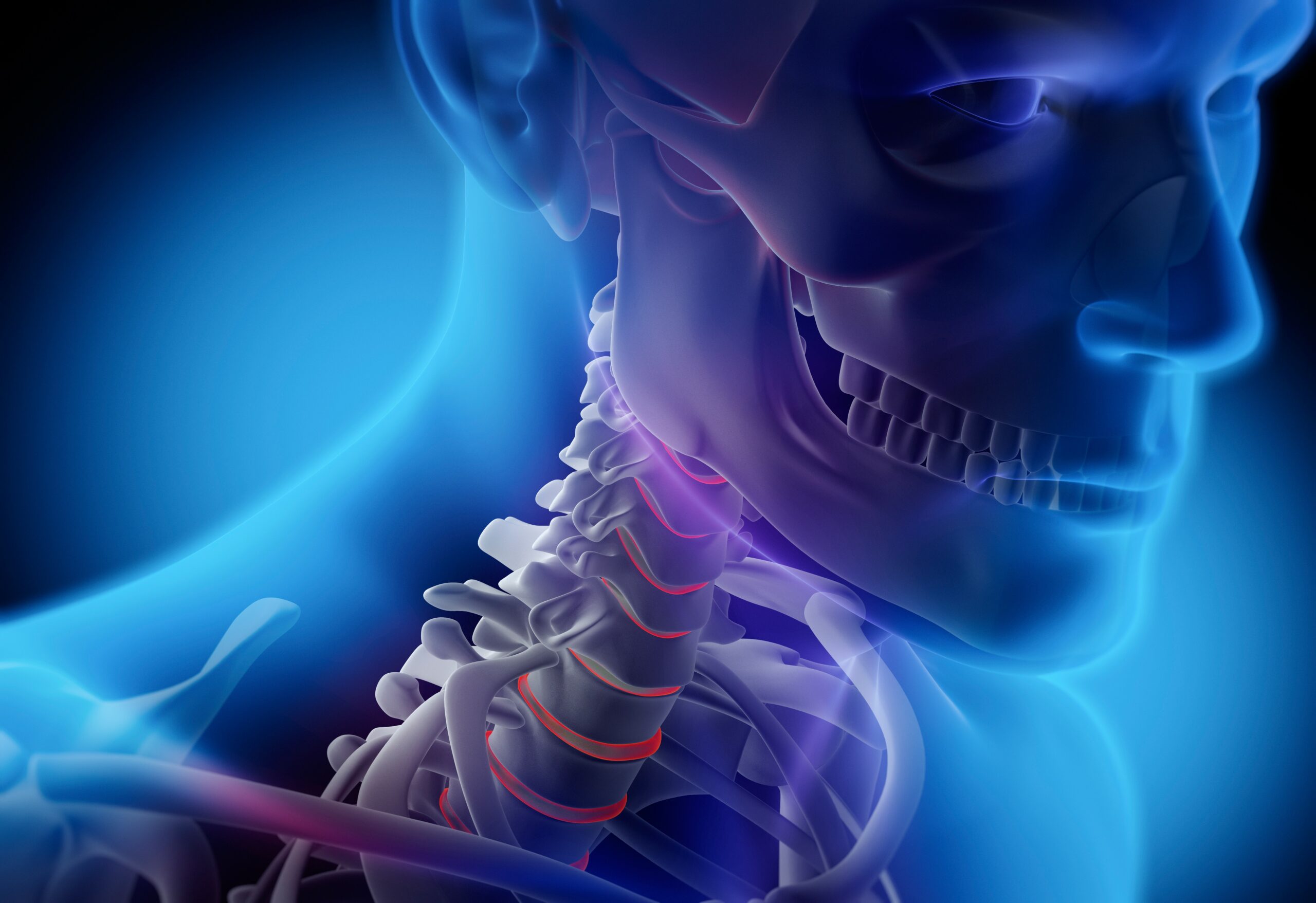
A cervical disc herniation occurs when one of the discs in the neck becomes damaged and the inner portion of the disc pushes outward through the outer layer. These discs normally act as cushions between the vertebrae and allow smooth movement of the head and neck. When the disc herniates, it can press on nearby nerve roots that travel from the cervical spine into the shoulders, arms, and hands. This most commonly occurs at the C5–C6 or C6–C7 levels, which are areas that experience significant movement and mechanical stress.
Clients with cervical disc herniation may experience neck pain, stiffness, headaches, or radiating symptoms into the shoulder or arm such as tingling, numbness, or weakness. Postural changes are also very common, especially forward head posture and rounded shoulders, which place additional strain on the cervical spine. As instructors, we may observe tight neck and upper trapezius muscles, weak upper back stabilizers, and discomfort when lifting the head during abdominal exercises.
Why Pilates Helps
Pilates supports clients with cervical disc herniation by improving postural alignment and reducing excessive strain on the neck structures. Many individuals rely too heavily on superficial neck muscles to support the head, while the deeper stabilizing muscles remain underactive. Pilates helps retrain the deep neck flexors and upper back muscles, which play an important role in maintaining proper head and shoulder alignment.
Pilates also emphasizes thoracic mobility and shoulder stability, both of which are essential for reducing stress on the cervical spine. When the upper back moves efficiently and the shoulder girdle is properly supported, the neck does not have to compensate with excessive tension. Apparatus-based exercises provide controlled resistance and support, allowing clients to strengthen surrounding muscles and improve movement awareness without placing unnecessary load on the neck.
Programming Focus
Focus on length through the spine and relaxed shoulders during every exercise. Avoid unnecessary head lifting and prioritize upper back support for the neck.
Recommended Pilates Exercises
Mat
- Pelvic Clock (small range)
- Bent Knee Fallout
- Heel Slides
- Side-Lying Leg Series
Reformer
- Footwork (neutral pelvis)
- Arms in Straps
- Hip Rolls (small range)
- Scooter (light springs)
Chair
- Seated Arm Press
- Seated Leg Pump
- Step Ups (controlled)
Cadillac / Tower
- Supine Arm Springs
- Tower Press
- Leg Springs (small range)
Exercises to Avoid (and Why)
- Deep spinal flexion – increases disc pressure and compression.
- Combined flexion and rotation – increases shear force through the segment.
- Heavy end-range loading – may irritate sensitive tissues.
Safer Alternatives
- Use smaller range of motion.
- Choose neutral spine strengthening instead of large articulation.
- Focus on length through the spine and relaxed shoulders. Avoid unnecessary head lifting.
Red Flags & Immediate Referral Indicators
- Progressive weakness
- Loss of bladder or bowel control
- Severe or worsening neurological symptoms
3 Spinal Stenosis
Overview of the Condition
Spinal stenosis refers to a narrowing of the spaces within the spinal canal, which places pressure on the spinal cord or the nerves that travel through the spine. This narrowing most often occurs in the lumbar spine and is typically the result of age-related changes such as thickened ligaments, bulging discs, bone spurs, or arthritic degeneration of the spinal joints. As these structures enlarge or shift, the available space for the nerves decreases, which can lead to nerve irritation or compression.
Clients with spinal stenosis often experience symptoms such as lower back pain, numbness or tingling in the legs, weakness, or difficulty walking for extended periods. A common pattern is that symptoms worsen during standing or walking but improve when sitting or leaning forward. Because spinal extension further narrows the spinal canal, many clients naturally adopt a slightly flexed posture to relieve pressure on the nerves.

Why Pilates Helps
Pilates can help individuals with spinal stenosis maintain strength and mobility while minimizing positions that increase nerve compression. Exercises that encourage neutral or slightly flexed spinal positions often feel more comfortable for these clients because they create more space within the spinal canal. Pilates programming can therefore be adapted to support spinal alignment that reduces nerve irritation.
Pilates also strengthens the muscles that stabilize the trunk and hips, helping the body distribute forces more evenly during movement. Improved hip mobility and core strength reduce the tendency for the lumbar spine to compensate excessively during daily activities such as walking or standing. Through controlled, low-impact resistance, Pilates helps maintain functional mobility and muscular support without placing excessive strain on the spine.
Programming Focus
Focus on neutral or slightly flexed positions that feel comfortable for the client. Avoid prolonged spinal extension and build strength gradually.
Recommended Pilates Exercises
Mat
- Pelvic Clock (small range)
- Bent Knee Fallout
- Heel Slides
- Side-Lying Leg Series
Reformer
- Footwork (neutral pelvis)
- Arms in Straps
- Hip Rolls (small range)
- Scooter (light springs)
Chair
- Seated Arm Press
- Seated Leg Pump
- Step Ups (controlled)
Cadillac / Tower
- Supine Arm Springs
- Tower Press
- Leg Springs (small range)
Exercises to Avoid (and Why)
- Deep spinal flexion – increases disc pressure and compression.
- Combined flexion and rotation – increases shear force through the segment.
- Heavy end-range loading – may irritate sensitive tissues.
Safer Alternatives
- Use smaller range of motion.
- Choose neutral spine strengthening instead of large articulation.
- Focus on neutral or slightly flexed positions. Avoid prolonged spinal extension.
Red Flags & Immediate Referral Indicators
- Progressive weakness
- Loss of bladder or bowel control
- Severe or worsening neurological symptoms
4 Scoliosis
Overview of the Condition
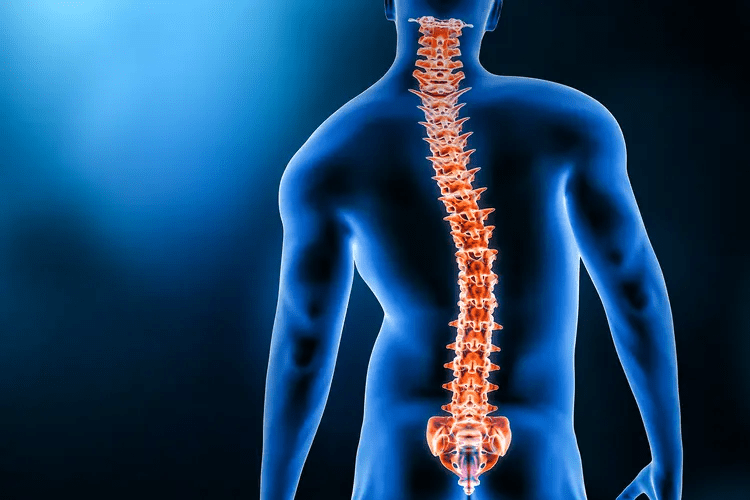
Scoliosis is a structural condition in which the spine develops an abnormal sideways curvature when viewed from behind. In most cases, the spine also rotates, creating a three-dimensional change in spinal alignment. This can lead to visible asymmetries in the body such as uneven shoulders, one shoulder blade appearing more prominent, or uneven hips. Scoliosis can develop during adolescence without a clear cause, or later in life as a result of degenerative changes in the spine.
Because the spine curves and rotates, the muscles surrounding it often become imbalanced. One side of the body may become shortened and overactive while the opposite side becomes lengthened and weaker. These asymmetries can affect posture, breathing mechanics, and movement coordination. Clients with scoliosis may experience muscular fatigue, stiffness, or discomfort due to the uneven distribution of forces through the spine and rib cage.
Why Pilates Helps
Pilates can be particularly beneficial for individuals with scoliosis because it emphasizes body awareness, controlled movement, and balanced muscular engagement. Rather than forcing the spine into perfect symmetry, Pilates helps clients develop awareness of how their body moves and how to support the spine more efficiently. Exercises can be adapted to address asymmetries by strengthening weaker areas while encouraging release and length in tighter areas.
Breath work is also an important component of Pilates training for scoliosis because the rib cage often rotates along with the spinal curve. Focused breathing can help improve rib cage mobility and expand areas of the lungs that may be compressed. The apparatus further allows instructors to use unilateral resistance and supported positioning, which can help clients develop more balanced strength and coordination throughout the body.
Programming Focus
Focus on balanced strength from side to side without forcing symmetry. Use breath and controlled resistance to support weaker areas and improve awareness.
Recommended Pilates Exercises
Mat
- Pelvic Clock (small range)
- Bent Knee Fallout
- Heel Slides
- Side-Lying Leg Series
Reformer
- Footwork (neutral pelvis)
- Arms in Straps
- Hip Rolls (small range)
- Scooter (light springs)
Chair
- Seated Arm Press
- Seated Leg Pump
- Step Ups (controlled)
Cadillac / Tower
- Supine Arm Springs
- Tower Press
- Leg Springs (small range)
Exercises to Avoid (and Why)
- Deep spinal flexion – increases disc pressure and compression.
- Combined flexion and rotation – increases shear force through the segment.
- Heavy end-range loading – may irritate sensitive tissues.
Safer Alternatives
- Use smaller range of motion.
- Choose neutral spine strengthening instead of large articulation.
- Focus on balanced strength from side to side. Use breath and controlled resistance.
Red Flags & Immediate Referral Indicators
- Progressive weakness
- Loss of bladder or bowel control
- Severe or worsening neurological symptoms
5 Osteoporosis
Overview of the Condition
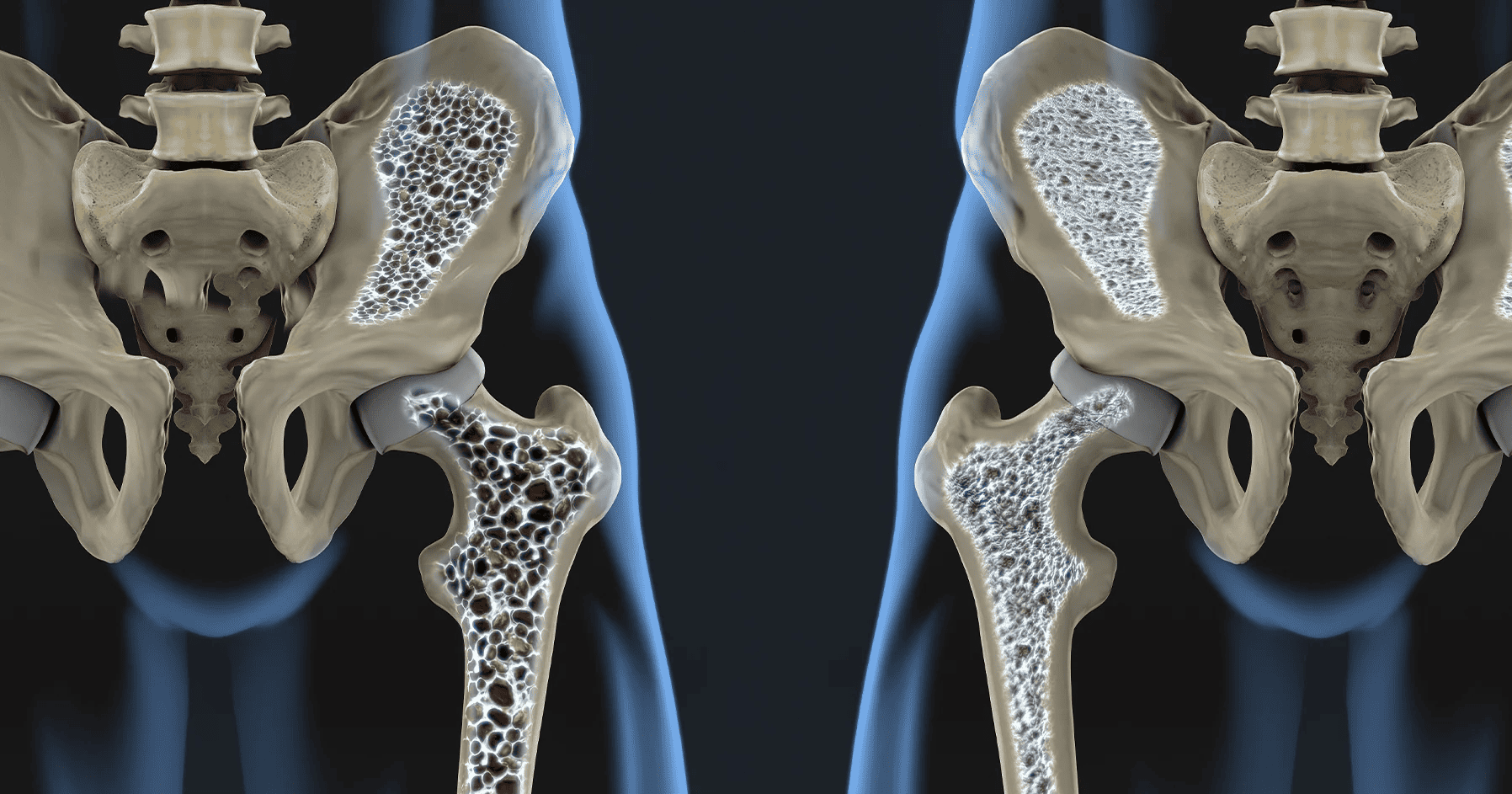
Osteoporosis is a condition characterized by reduced bone density and deterioration of bone tissue, which makes bones more fragile and susceptible to fractures. Bone is a living tissue that is constantly remodeling through processes of breakdown and rebuilding. In osteoporosis, this balance shifts so that bone loss occurs faster than new bone is formed, resulting in bones that become thinner and weaker over time.
The spine is particularly vulnerable because the vertebral bodies bear much of the body’s weight during daily activities. As bone density decreases, these vertebrae become more susceptible to compression fractures, especially during movements that involve forward bending or twisting. Individuals with osteoporosis may experience height loss, a rounded upper back posture, or back pain related to vertebral fractures.
Why Pilates Helps
Pilates can support individuals with osteoporosis by promoting safe weight-bearing movement and strengthening the muscles that support the skeleton. Bone responds to mechanical loading, meaning that controlled resistance and weight-bearing exercises can help stimulate the body to maintain bone density. Pilates provides this stimulus through spring resistance, body weight, and controlled movement without the high-impact forces that could increase fracture risk.
Pilates also strengthens the spinal extensors and postural muscles that help maintain an upright alignment. This is particularly important because a forward-flexed posture increases pressure on the front of the vertebrae and raises fracture risk. Additionally, Pilates improves balance, coordination, and body awareness, which can significantly reduce fall risk — one of the most important factors in preventing fractures for individuals with osteoporosis.
Programming Focus
Focus on upright posture, safe weight-bearing work, and spinal extension strength while avoiding loaded flexion.
Recommended Pilates Exercises
Mat
- Prone Arm Lifts
- Side-Lying Strength
- Standing Alignment Work
Reformer
- Footwork
- Standing Lunges
- Scooter
Chair
- Step Ups
- Standing Press Down
Cadillac / Tower
- Standing Arm Springs
- Push Through Bar (arms only)
Exercises to Avoid (and Why)
- Roll-Up – Deep flexion increases vertebral compression.
- Spine Stretch Forward – Forward bending under load stresses weakened vertebrae.
- Criss-Cross – Combined flexion and rotation increases fracture risk.
Safer Alternatives
- Chest Expansion instead of forward bending.
- Neutral spine strengthening instead of deep articulation.
- Supported extension work.
Red Flags & Immediate Referral Indicators
- Sudden sharp spinal pain
- Noticeable height loss
- Pain after minor fall