
PHASE 2 – PREGNANCY & POSTNATAL CONDITIONS
Platinum Pilates Academy – Special Populations Manual
Scope Reminder for Instructors
Pilates instructors do not diagnose or treat medical conditions. Our role is to guide safe, intelligent movement based on medical clearance, client presentation, and current stage of pregnancy or recovery. We manage load, pressure, alignment, and recognize when referral is necessary.
1 Prenatal Pilates (Low-Risk Pregnancy)
Overview of the Condition
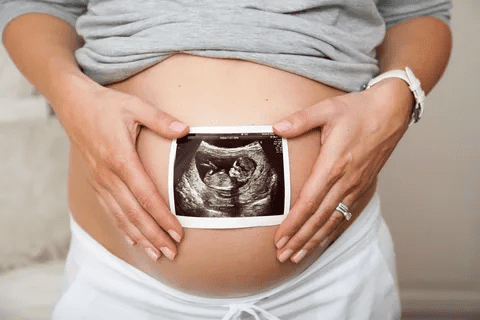
Pregnancy creates significant hormonal, structural, and circulatory changes in the body. Relaxin increases ligament laxity, reducing joint stability throughout the body. As the uterus expands, the center of gravity shifts forward, increasing lumbar load and stress on the sacroiliac joints.
Breathing changes as the diaphragm is elevated. Rib flare, altered abdominal activation, and increased pelvic floor pressure are common. After the first trimester, prolonged supine positioning may reduce venous return and cause dizziness or nausea.
Trimester Considerations
First Trimester (Weeks 1–12)
This is the most hormonally sensitive phase. Fatigue, nausea, dizziness, and blood pressure fluctuations are common. Energy levels may be inconsistent.
- Allow additional rest between exercises.
- Avoid overheating.
- Monitor dizziness with quick transitions.
- Keep intensity moderate rather than progressive.
Second Trimester (Weeks 13–27)
Often the most comfortable trimester, but abdominal expansion increases and positioning becomes important. After approximately 16–20 weeks, prolonged supine positioning may compress the inferior vena cava.
- Elevate the headrest on the Reformer.
- Limit long supine series.
- Modify prone exercises.
- Emphasize breath and pressure management.
Third Trimester (Weeks 28–Birth)
This is the most mechanically demanding phase. Balance decreases, pelvic pressure increases, and fatigue may be significant.
- Prioritize stability over complexity.
- Reduce range of motion in lunges.
- Avoid unsupported single-leg balance work.
- Encourage side-lying and upright exercises.
Why Pilates Helps
Pilates improves postural alignment, controlled strength, and breath coordination without excessive strain. It emphasizes stability, circulation, and safe load management.
Apparatus support allows adjustable resistance and safe strengthening of glutes, upper back, and deep core to reduce discomfort and support daily movement demands.
Programming Focus
Prioritize neutral alignment, breath awareness, and pelvic stability. Avoid prolonged supine positioning after mid-pregnancy and avoid aggressive stretching due to ligament laxity.
Recommended Pilates Exercises
Mat
- Side-lying leg series
- Quadruped arm/leg reach (small range)
- Seated posture work
- Gentle pelvic tilts
Reformer
- Footwork (elevated headrest)
- Scooter
- Standing lunges (small range)
- Seated arms in straps
Chair
- Seated arm press
- Standing press down
- Step-ups (controlled)
Cadillac / Tower
- Standing arm springs
- Seated push-through (arms only)
- Supported hip mobility
Exercises to Avoid (and Why)
- Prolonged supine lying – may reduce venous return.
- Deep twisting – increases abdominal wall strain.
- Aggressive stretching – increases instability due to relaxin.
- High intra-abdominal pressure exercises – stress pelvic floor and linea alba.
Safer Alternatives
- Side-lying or inclined positioning.
- Smaller range of rotation.
- Controlled strength instead of flexibility emphasis.
- Exhale-based effort to manage pressure.
Red Flags & Immediate Referral Indicators
- Vaginal bleeding
- Dizziness or fainting
- Sudden swelling with headache
- Sharp abdominal pain
- Reduced fetal movement
2 Postnatal Recovery (General)
Overview of the Condition
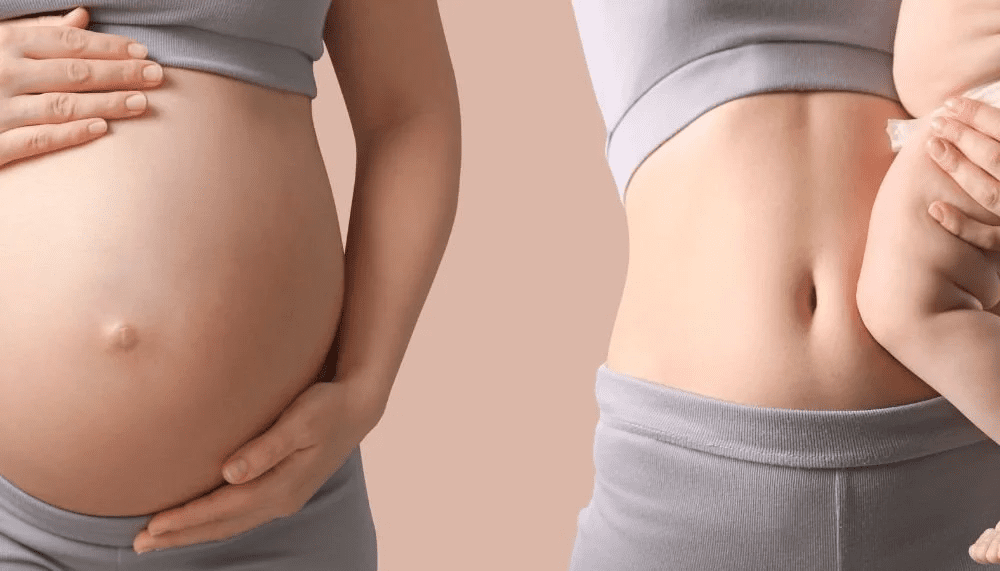
After childbirth, the body is healing from significant stretch and load. The abdominal wall and pelvic floor have worked intensely during pregnancy and birth, and coordination between these muscles may feel reduced. If there was a C-section, scar tissue may influence abdominal activation and mobility.
Sleep deprivation, feeding posture, and carrying a baby often create rounded shoulders and back tension. Many women feel disconnected from their core or experience leaking or pressure symptoms. Recovery is gradual and different for each client, so progression must be thoughtful and individualized.
Why Pilates Helps
Pilates rebuilds coordination between breath, deep abdominals, and pelvic floor before adding intensity. It restores confidence and control rather than rushing into high-level strength work.
Spring-based resistance allows gradual strength building while maintaining good alignment. This creates a strong foundation for returning safely to more demanding exercise.
Programming Focus
Rebuild foundational strength first. Monitor fatigue and pressure symptoms carefully.
Recommended Pilates Exercises
Mat
- Side-lying work
- Quadruped variations
- Gentle pelvic tilts
- Seated posture work
Reformer
- Footwork (neutral or elevated headrest)
- Scooter
- Arms in straps (light)
- Standing lunges (small range)
Chair
- Seated arm press
- Seated leg pump
- Supported step-ups
Cadillac / Tower
- Arm springs
- Breathing with arm springs
- Supported mobility work
Exercises to Avoid (and Why)
- Early high-load abdominal work – increases pressure on healing tissue.
- Strong planks too soon – may strain the abdominal wall.
- Aggressive spinal flexion – may worsen abdominal separation.
Safer Alternatives
- Short lever exercises.
- Breath-led effort.
- Gradual load progression.
Red Flags & Immediate Referral Indicators
- Persistent heavy bleeding
- Severe pelvic pain
- Signs of infection
3 Diastasis Recti
Overview of the Condition
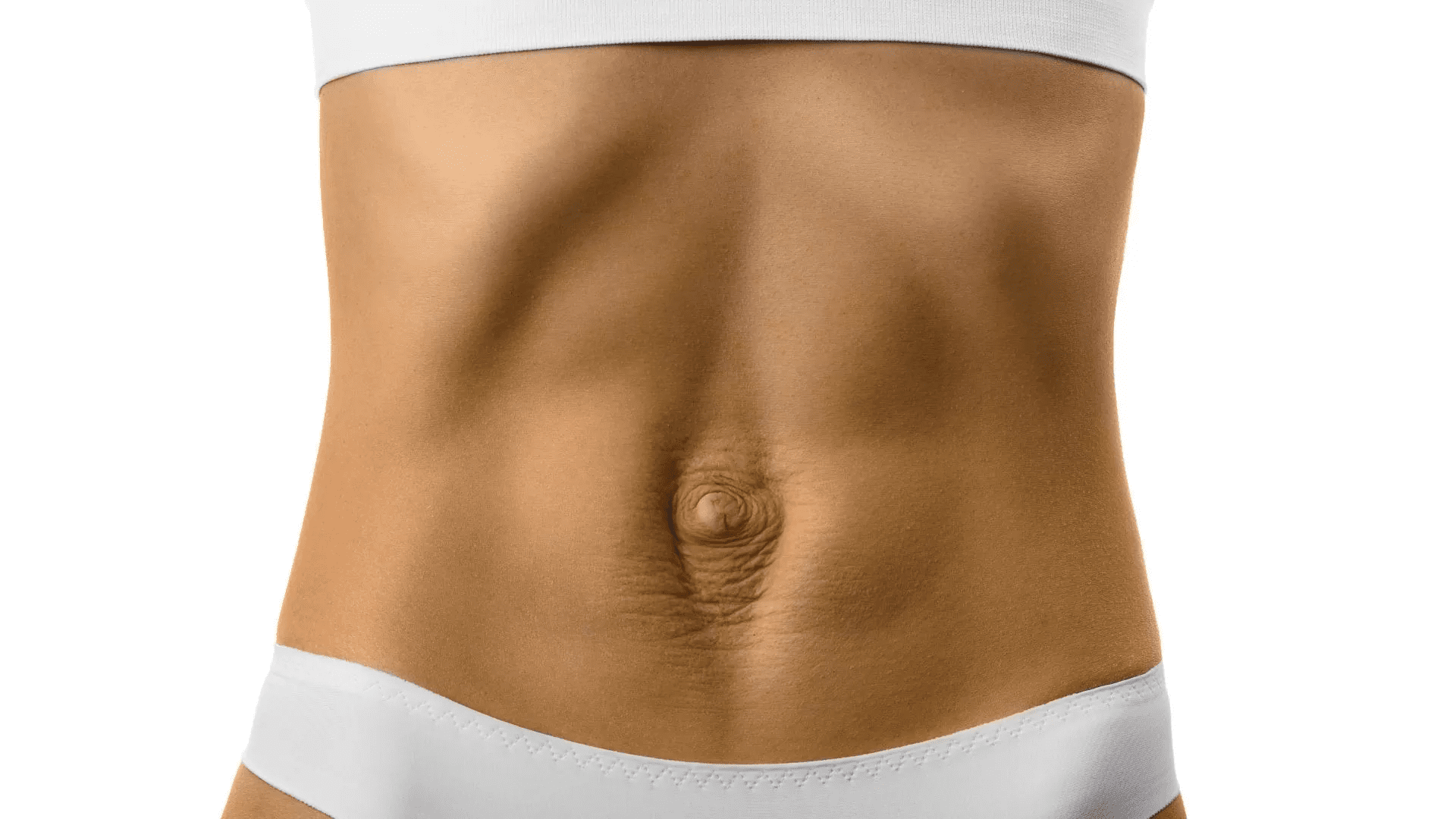
Diastasis recti is a separation along the midline of the abdomen caused by stretching of connective tissue during pregnancy. The rectus abdominis muscles move apart as the uterus expands. The key concern is not simply the width of the gap, but whether the connective tissue can create tension and support the abdominal wall effectively.
When pressure inside the abdomen is not well managed, the midline may dome or bulge during effort. This shows that the deep core system is not coordinating properly. Clients often feel unsure about how to strengthen safely without making the separation worse.


Why Pilates Helps
Pilates improves pressure control through coordinated breathing and controlled loading. The goal is to restore function and tension in the abdominal wall rather than forcing the gap closed.
Gradual strengthening improves tissue tolerance and teaches clients how to manage intra-abdominal pressure during everyday movements.
Programming Focus
Avoid visible doming and focus on exhaling during effort.
Recommended Pilates Exercises
Mat
- Side-lying work
- Quadruped variations
- Gentle pelvic tilts
- Seated posture work
Reformer
- Footwork (neutral or elevated headrest)
- Scooter
- Arms in straps (light)
- Standing lunges (small range)
Chair
- Seated arm press
- Seated leg pump
- Supported step-ups
Cadillac / Tower
- Arm springs
- Breathing with arm springs
- Supported mobility work
Exercises to Avoid (and Why)
- Traditional sit-ups early – increase strain on the midline.
- Loaded flexion with bulging – stresses connective tissue.
- High intra-abdominal pressure exercises – reduce tissue support.
Safer Alternatives
- Neutral spine strengthening.
- Hands-on feedback for pressure awareness.
- Smaller lever positions.
Red Flags & Immediate Referral Indicators
- Severe bulging that does not reduce
- Midline pain
- Pelvic pressure symptoms
4 Pelvic Floor Dysfunction
Overview of the Condition
The pelvic floor is a group of muscles that supports the bladder, uterus, and bowel. After pregnancy or birth, these muscles may be weak, overly tight, or poorly coordinated. This can affect bladder control, support, and overall comfort during movement.
Clients may experience leaking, heaviness, discomfort, or difficulty relaxing the muscles fully. Breathing patterns strongly influence pelvic floor function, and poor pressure management can worsen symptoms.

Why Pilates Helps
Pilates connects breath with deep abdominal and pelvic floor activation. It helps improve both strength and the ability to relax when needed.
Controlled resistance and thoughtful alignment reduce unnecessary downward pressure while building support safely.
Programming Focus
Use breath-led movement and progress only when exercises remain symptom-free.
Recommended Pilates Exercises
Mat
- Side-lying work
- Quadruped variations
- Gentle pelvic tilts
- Seated posture work
Reformer
- Footwork (neutral or elevated headrest)
- Scooter
- Arms in straps (light)
- Standing lunges (small range)
Chair
- Seated arm press
- Seated leg pump
- Supported step-ups
Cadillac / Tower
- Arm springs
- Breathing with arm springs
- Supported mobility work
Exercises to Avoid (and Why)
- Breath holding – increases downward pressure.
- High-impact work early – overloads pelvic floor.
- Heavy planks without coordination – increase pressure.
Safer Alternatives
- Exhale during effort.
- Supported positioning.
- Shorter hold times.
Red Flags & Immediate Referral Indicators
- Worsening pelvic pain
- New leakage
- Severe pelvic heaviness
5 Pregnancy-Related SI Joint Instability
Overview of the Condition
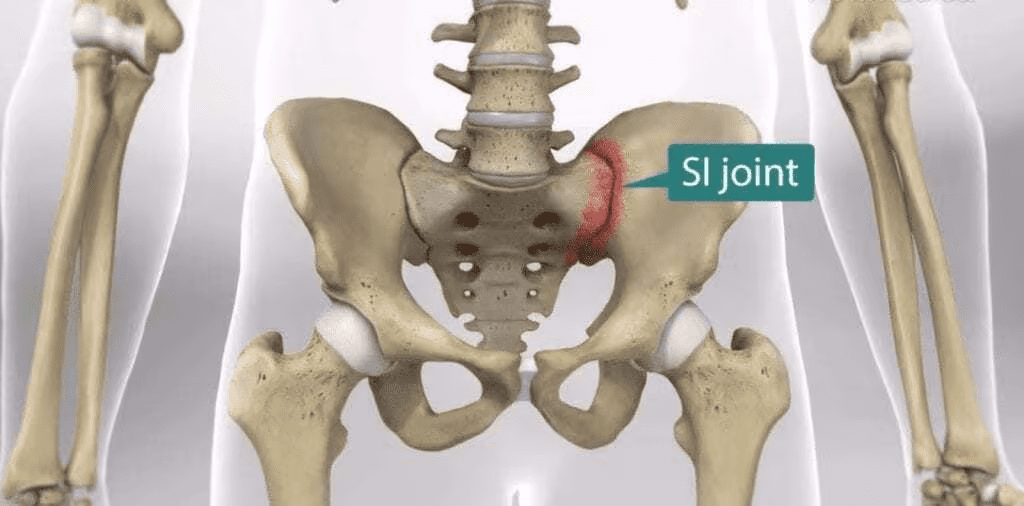
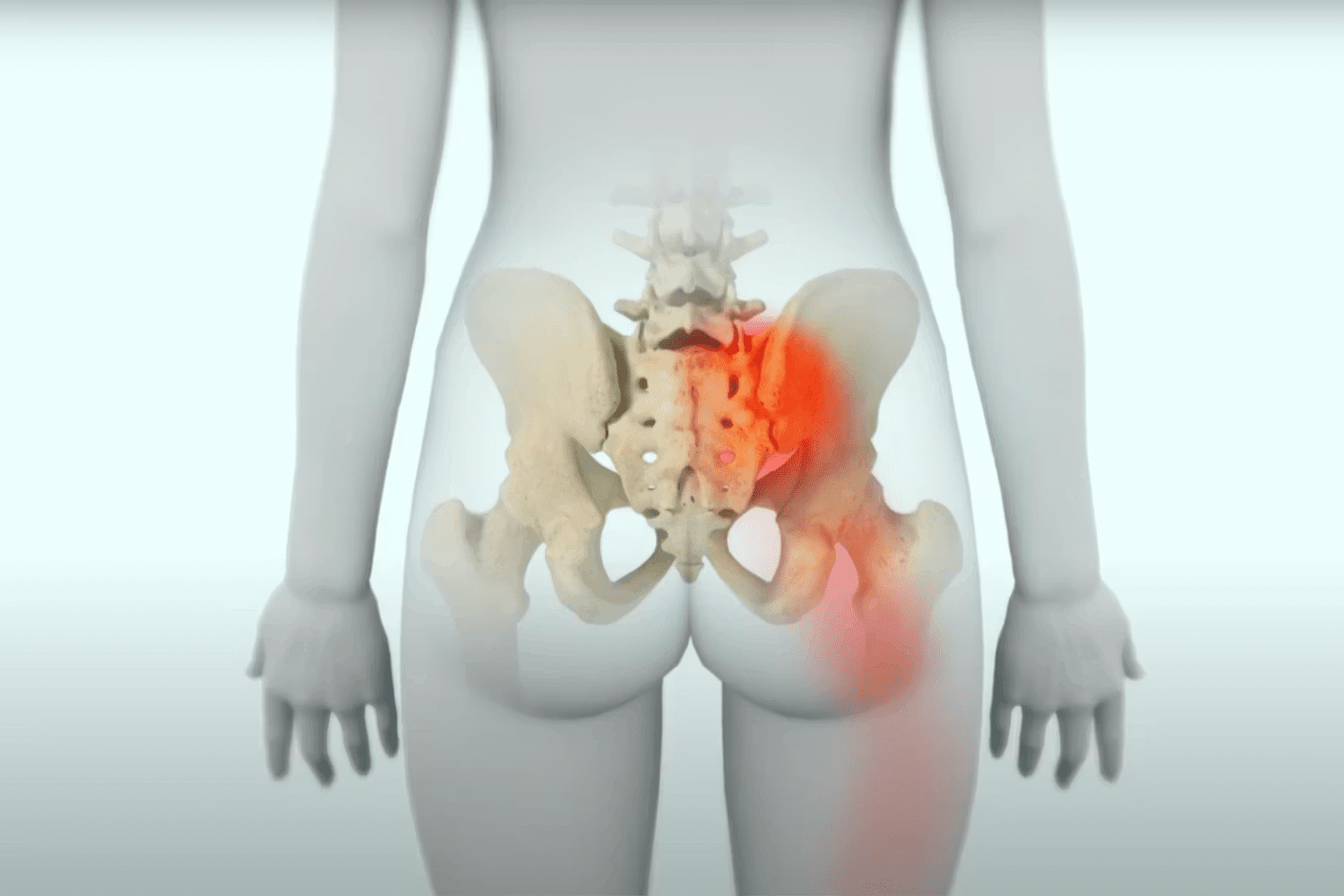
During pregnancy, hormonal changes increase ligament flexibility, including around the sacroiliac joints. This can create more movement than usual at the back of the pelvis. When muscular support is not strong enough, even small shifts can feel uncomfortable or unstable.
Clients often notice discomfort in the lower back, buttock, or during single-leg activities such as walking upstairs or standing on one leg. The issue is usually not a lack of mobility, but a lack of stability and balanced muscle support.
Why Pilates Helps
Pilates strengthens the glutes, deep abdominals, and hip stabilizers to improve how load transfers through the pelvis. It encourages symmetrical movement patterns and controlled transitions.
Apparatus work allows balanced resistance and controlled range of motion, reducing unnecessary shear forces at the joint.
Programming Focus
Focus on symmetry, glute activation, and slow controlled tempo.
Recommended Pilates Exercises
Mat
- Side-lying work
- Quadruped variations
- Gentle pelvic tilts
- Seated posture work
Reformer
- Footwork (neutral or elevated headrest)
- Scooter
- Arms in straps (light)
- Standing lunges (small range)
Chair
- Seated arm press
- Seated leg pump
- Supported step-ups
Cadillac / Tower
- Arm springs
- Breathing with arm springs
- Supported mobility work
Exercises to Avoid (and Why)
- Deep asymmetrical stretches – increase shear stress at the joint.
- Aggressive rotation – stresses pelvic stability.
- Large uncontrolled bridges – increase joint strain.
Safer Alternatives
- Parallel stance work.
- Smaller range of motion.
- Slow, controlled movement.
Red Flags & Immediate Referral Indicators
- Sudden sharp pelvic pain
- Radiating leg weakness
- Inability to bear weight